
Politics
Tinubu’s Subsidy Reform: From Fuel Support to Funding National Development
By: Ike Philip Abiagom – Newsbreeze
The removal of petrol subsidy by President Bola Ahmed Tinubu has continued to generate debate across Nigeria, with supporters of the policy arguing that it has created an opportunity to redirect public funds towards education, infrastructure, youth empowerment and economic development.
Proponents of the reform maintain that the former subsidy regime was plagued by allegations of corruption, fuel diversion, smuggling and fraudulent claims, which they say prevented the benefits of government spending from reaching ordinary Nigerians.
For years, successive administrations defended petrol subsidy as a measure to make fuel affordable. However, critics of the system argued that its rising cost placed an enormous burden on public finances, while allegations of diversion and cross-border smuggling raised questions about who ultimately benefited from the arrangement.
According to advocates of the reform, the subsidy system required a fundamental review to ensure that public resources were used more transparently and productively.
Tinubu’s Bold Policy Decision
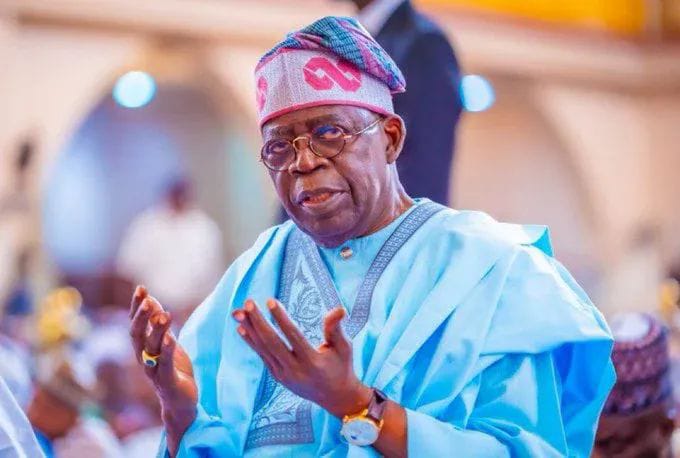
President Tinubu announced the removal of petrol subsidy during his inauguration on May 29, 2023, declaring that “subsidy is gone.”
The announcement marked a major shift in Nigeria’s economic policy, ending a long-standing arrangement that had kept petrol prices artificially low through government expenditure.
Supporters of the President describe the decision as a difficult but necessary step towards reducing fiscal pressure and creating room for investment in critical sectors of the economy.
They argue that retaining the subsidy without addressing its structural weaknesses would have continued to expose public finances to significant pressure, while limiting the resources available for essential services.
However, the policy has also attracted criticism over its immediate impact on transport costs, food prices, household purchasing power and the cost of doing business. These concerns have strengthened calls for the government to ensure that the benefits of the reform translate into tangible improvements in citizens’ living conditions.
Redirecting Savings to Nigerians
Supporters of the subsidy removal say the central question is no longer simply how much the government has saved, but how effectively the resources are being deployed to improve the lives of Nigerians.
They point to several federal government initiatives as examples of efforts to cushion the effects of economic reforms and expand access to opportunities.
One of these is the Nigerian Education Loan Fund (NELFUND), established to provide eligible students with access to interest-free loans for tuition and other approved educational expenses.
The initiative is intended to reduce financial barriers to higher education and enable more students from low-income households to pursue their academic ambitions.
In the transport sector, the government's compressed natural gas (CNG) initiative is designed to encourage the use of alternative fuels and reduce operating costs for transport operators.
Supporters believe that wider adoption of CNG-powered vehicles could help moderate transport fares, although the scale of the impact will depend on infrastructure, availability and implementation.
The increase in the national minimum wage to N70,000 also forms part of the measures introduced to improve workers’ earnings amid rising living costs.
States Receive Increased Allocations
Another major development associated with the subsidy reform has been the increase in allocations distributed through the Federation Account Allocation Committee (FAAC).
The higher allocations have given state and local governments greater nominal revenues to finance salaries, infrastructure and public services. Supporters of the reform argue that these additional resources could improve development at the grassroots if they are managed transparently and directed towards priority needs.
Nevertheless, increased allocations alone do not guarantee improved living conditions. The extent to which citizens benefit depends on the quality of spending, accountability, project execution and the ability of public institutions to deliver essential services.
For this reason, stakeholders have urged state governments to demonstrate how additional revenues are being used to improve roads, healthcare, education, water supply and employment opportunities.
Youth Empowerment and Business Support
The federal government has also introduced programmes aimed at expanding opportunities for young people, small businesses and entrepreneurs.
These include the Three Million Technical Talent (3MTT) programme, which seeks to develop digital skills among Nigerians, and the Consumer Credit Corporation (CrediCorp), designed to expand access to consumer credit.
Other initiatives targeting micro, small and medium-sized enterprises include grants, loans and financing schemes intended to support business expansion, job creation and economic productivity.
Advocates of the subsidy reform argue that these interventions can help transform public spending into opportunities for citizens, particularly young people seeking employment and entrepreneurs struggling to access affordable finance.
They, however, stress the need for transparent beneficiary selection, effective monitoring and timely disbursement to ensure that the programmes reach their intended recipients.
Infrastructure and Economic Growth
The government has also highlighted major infrastructure projects, including the Lagos-Calabar Coastal Highway and the proposed Sokoto-Badagry Superhighway, as part of its broader development agenda.
Such projects are expected to improve connectivity, facilitate trade and support economic activity across different parts of the country.
In the petroleum sector, the revival of domestic refining capacity has also become central to discussions about Nigeria’s energy security and dependence on imported fuel.
Supporters of the reform believe that stronger domestic refining, combined with improved distribution networks, could reduce supply vulnerabilities and strengthen the country's ability to meet its energy needs.
They maintain that investments in infrastructure, manufacturing, education and energy can provide longer-term economic benefits if projects are completed efficiently and public funds are properly accounted for.
The Challenge of Translating Reform into Relief
Despite the potential benefits outlined by supporters, the removal of petrol subsidy remains a contentious policy because of its immediate consequences for millions of Nigerians.
Higher fuel prices have contributed to increased transportation and production costs, while households continue to face pressure from rising food prices and other essential expenses.
Consequently, economic analysts and civil society groups have called for stronger social protection measures, improved public transport, targeted assistance for vulnerable households and greater transparency in the management of additional government revenue.
For the reform to command broader public confidence, Nigerians will need to see measurable improvements in employment, infrastructure, public services and purchasing power.
The government must also provide credible information on the savings generated by the policy and how the funds are being allocated.
Renewed Hope and National Responsibility
For supporters of President Tinubu, the removal of petrol subsidy represents a decisive attempt to move Nigeria away from a costly and allegedly abused system towards a more sustainable economic framework.
Their message is that public resources previously committed to subsidising petrol should instead support education, healthcare, infrastructure, business development and opportunities for future generations.
They describe the policy as a shift from what they regard as an unsustainable subsidy arrangement to a broader system of economic support for Nigerians.
However, the ultimate test of the reform will be its results. Nigerians will judge the policy not only by government announcements or the volume of funds distributed to different tiers of government, but also by whether it produces better living standards, more jobs, affordable transportation and improved public services.
For the administration, the challenge is to demonstrate that the difficult decision taken in May 2023 will deliver lasting benefits to the people.
The promise of Renewed Hope, supporters insist, must ultimately be reflected in the daily experiences of ordinary Nigerians.
Share this story
Get updates on WhatsApp
Subscribe to receive selected updates from Media Gate News Online. We only use your number for this publication, and you can unsubscribe later.