
Politics
Understanding the Road to Nigeria's 2027 Presidential Election: Key Factors and Timelines
As Nigeria looks toward the 2027 presidential election, this explainer outlines the constitutional timeline, the role of INEC, and the key factors that will shape the race—without speculating on outcomes.
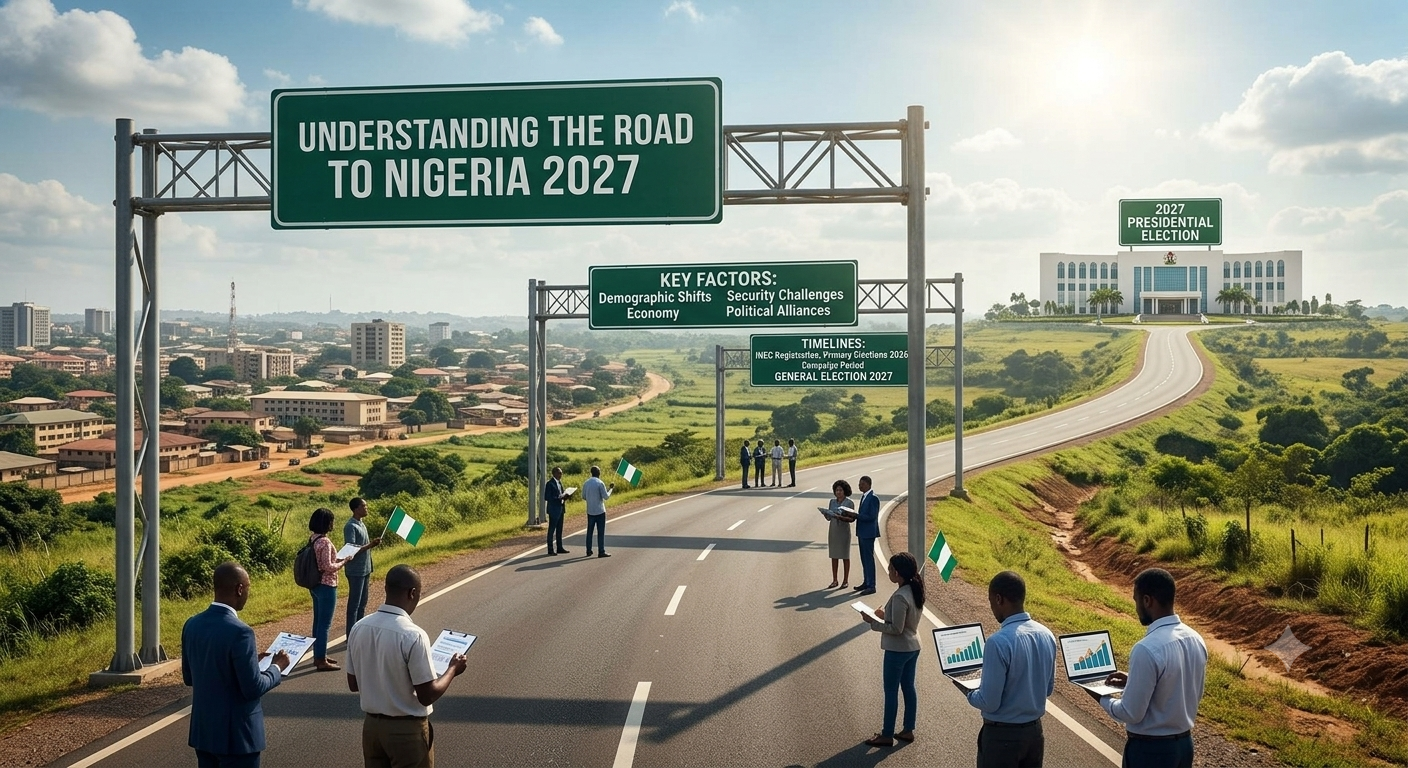
As the political calendar advances, discussions about Nigeria's 2027 presidential election are beginning to take shape. While it is impossible to predict the outcome, understanding the process and the factors that influence it can help citizens engage meaningfully.
**Constitutional Timeline and INEC's Role**
Under Nigeria's Constitution, a presidential election must hold within 60 days before the end of the incumbent president's four-year term. The Independent National Electoral Commission (INEC) is responsible for fixing the date and conducting the election. In past cycles, INEC has released a detailed timetable well in advance, including deadlines for party primaries, candidate nomination, and campaign periods. For 2027, INEC is expected to follow a similar pattern, with the election likely to take place in February 2027, though the exact date will be officially announced by the commission.
**Key Factors That Shape the Race**
Several factors typically influence Nigerian presidential elections:
- **Party Primaries and Coalition Building**: Political parties will conduct primaries to select their candidates. Coalitions and alliances often form in the months leading up to the election, as parties seek to broaden their appeal.
- **Electoral Reforms and Technology**: INEC has introduced technological innovations in recent elections, such as the Bimodal Voter Accreditation System (BVAS) and the INEC Result Viewing Portal (IReV). The effectiveness and transparency of these systems will be a major point of scrutiny.
- **Socio-Economic Issues**: Voters are often motivated by issues such as security, unemployment, inflation, and infrastructure. Candidates' manifestos and their perceived ability to address these challenges will be central to the campaign.
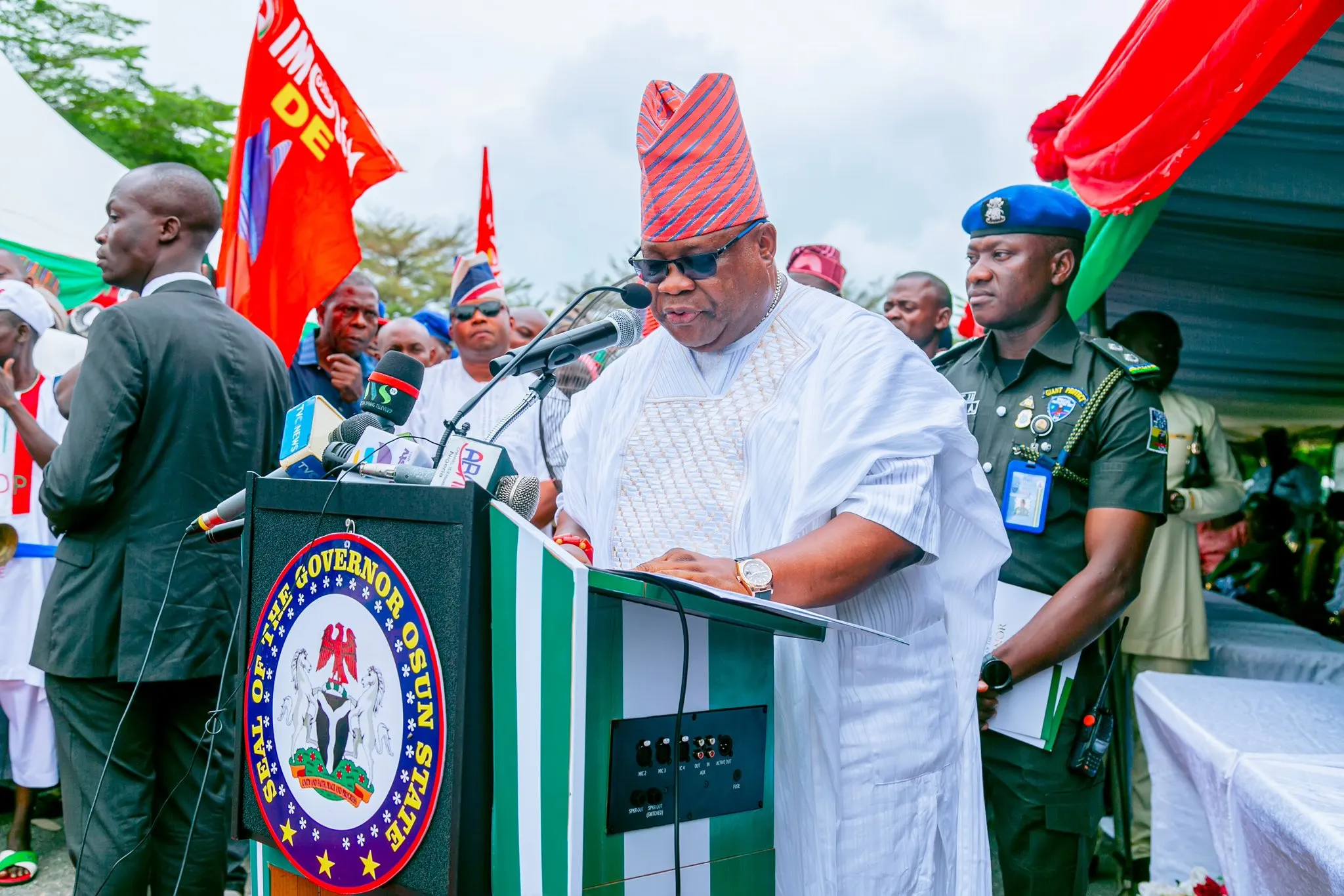
- **Regional and Demographic Dynamics**: Nigeria's diverse ethnic and religious makeup means that candidates must build broad coalitions across regions. The youth population, which constitutes a significant portion of the electorate, will likely play a decisive role.
- **Legal and Judicial Precedents**: Post-election disputes are common, and the judiciary's role in resolving them can impact the final outcome. The 2023 election saw extensive litigation, and similar challenges may arise in 2027.
**What to Watch in the Coming Months**
As 2026 progresses, observers should watch for:
- INEC's official timetable and any new electoral guidelines.
- Party primaries and the emergence of candidates.
- Policy debates and campaign messaging.
- Voter registration and education drives.
**Conclusion**
The 2027 presidential election will be a significant moment for Nigeria's democracy. While no one can predict the winner, a well-informed electorate is essential for a credible process. Citizens are encouraged to participate actively in voter registration and to engage with candidates' platforms. As the election approaches, Media Gate News will provide factual, balanced coverage to help readers navigate the political landscape.
Internal note: Draft content for editorial review. Ensure all facts are verified with official INEC announcements. Avoid any speculation on candidates or outcomes.
Share this story
Get updates on WhatsApp
Subscribe to receive selected updates from Media Gate News Online. We only use your number for this publication, and you can unsubscribe later.