
Education
TRANSITORY POWER AND THE ILLUSION OF LOYALTY: RETIREMENT LESSONS FOR NIGERIAN POLITICIANS
-By Zik Gbemre
Power, status, and material abundance are fleeting, yet those who possess them often act as though they are permanent.
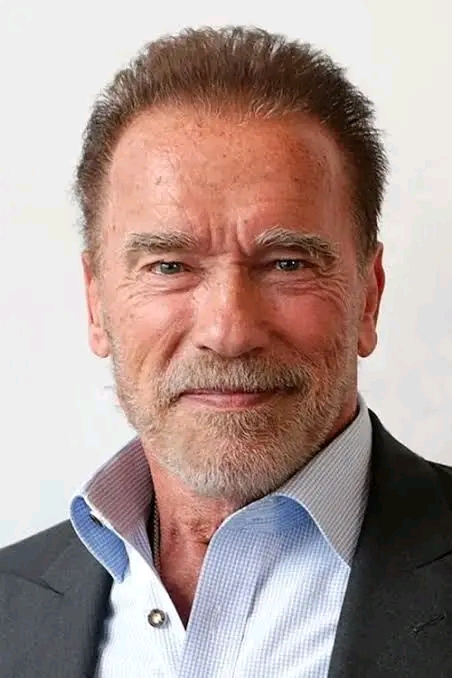
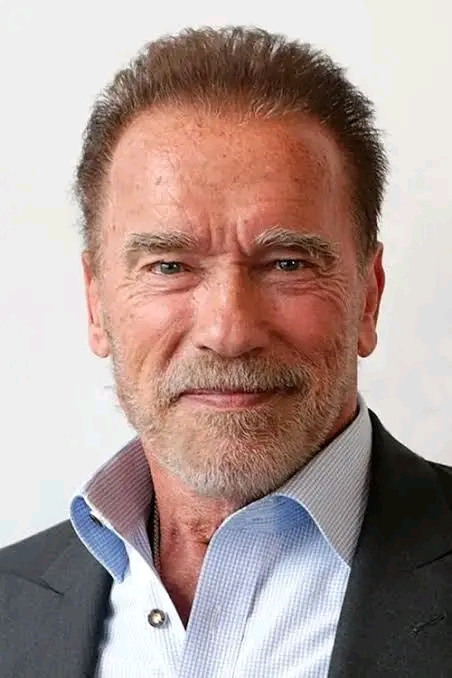
A viral social media post attributed to actor and former Governor of California, Arnold Schwarzenegger, vividly captures this psychological trap. Schwarzenegger shared a picture of himself sleeping in a sleeping bag on the street beneath his famous bronze statue, accompanied by the poignant caption: "How times have changed..."
As Schwarzenegger explained, during his tenure as Governor, he inaugurated the hotel where the statue stood. Hotel management assured him at the time that a room would always be reserved for him whenever he visited.
However, after he stepped down from office and requested a room, the administration refused to host him for free, insisting he pay because rooms were in high demand. Schwarzenegger’s response was to sleep beneath his own statue to convey a timeless message:
"When I was in an important position, they always complimented me, and when I lost this position, they forgot about me and did not keep their promise. Do not trust your position or the amount of money you have, nor your power, nor your intelligence it will not last."
Though the anecdote itself circulates as a parable about the impermanence of power, the lesson remains profound. Schwarzenegger achieved international fame as a bodybuilding icon, built a massive career as a Hollywood action hero, and served two terms as the Governor of California. If someone of his stature can experience the cold reality of post-office indifference, Nigerian politicians and public office holders must pay close attention.
The Reality of Post-Office Isolation in Nigeria
In Nigeria, public office attracts an endless stream of sycophants, opportunistic allies, and fair-weather friends. While a politician holds executive authority or controls state resources, their residence is a hive of activity. They are showered with praise, presented with lavish gifts, and surrounded by loyalty that seems unwavering.
Yet, the moment power shifts or retirement arrives, the political court vanishes almost overnight. This abrupt transition from societal idolization to isolation creates severe psychological distress for many former officials, characterized by:
* *Loss of Privileges and Authority*: The immediate revocation of state-funded security, official vehicles, administrative influence, and unrestricted budgets.
* *Evaporation of Sycophants*: The sudden disappearance of political praise-singers, who immediately migrate to the next custodian of state power.
* *Societal Coldness*: A sudden drop in phone calls, event invitations, and festive greetings. As former presidential spokesperson Reuben Abati once famously lamented about life after government: "The phone no longer rings."
A stark visual representation of this dynamic occurred at the twilight of former Ekiti State Governor Chief Ayodele Fayose's tenure. As commentator Steve Egbo observed, Fayose was one of the most visible, vocal, and powerful executive figures in Nigeria’s national limelight wielding immense political authority and resource control. Yet, during his valedictory dinner organized as he prepared to leave office, Fayose found his main dinner table practically deserted.
The retinue of praise-singers, political aides, hangers-on, and court jesters who had routinely surrounded him throughout his governorship had vanished. Confronted with "executive loneliness," he was left to eat in full view of a public witnessing the harsh reality of political abandonment.
This episode mirrors the sobering admonition that Senator Magnus Abe once offered to his long-time political associate and former Governor of Rivers State, Rotimi Amaechi:
"Someday, we will leave power or power will leave us."
It is a warning that echoes the iconic declaration of Dr. Nnamdi Azikiwe that "No condition is permanent."
This cycle has played out repeatedly across Nigeria's political landscape. Former President Goodluck Jonathan watched his vast network of political allies dissipate almost immediately following the 2015 elections. Former Delta State Governor Dr. Emmanuel Uduaghan experienced similar shifts, transitioning from being praised as a visionary leader by political aides to facing public criticism from those same associates once his tenure concluded.
Subsequent officeholders including former President Muhammadu Buhari, former Delta State Governor Ifeanyi Okowa, and current President Bola Ahmed Tinubu remain subject to these exact same dynamics. The crowd surrounding power in Abuja or state capitals is loyal only to the seat, never to the individual.
The Executive Trap Beyond Politics
This illusion of permanent relevance is not exclusive to elected politicians. It impacts senior executives in corporate organizations, oil companies, and civil service institutions. Many former high-ranking corporate leaders discover upon retirement that junior colleagues who once scurried to carry out their commands no longer return their phone calls or acknowledge them in public.
In Nigeria, where social relationships are frequently transactional, people align with individuals based on what they can extract. Once the channel of patronage closes, the relationship terminates.
Preparing for Life After Power
Retirement and the loss of temporary authority are unavoidable. Whether through constitutional term limits, mandatory retirement ages (such as the 60/65-year threshold for civil servants or 70 years for judicial officers), or corporate policies, active service always comes to an end.
To avoid the bitterness and isolation that often follow a departure from public office, leaders should adopt a grounded approach to governance and life:
* *Distinguish Between Loyalty to the Office vs. the Person*: Recognize that praise offered while holding authority is usually directed at the power of the seat, not the individual occupying it.
* *Focus on Legacy Over Flattery*: Use public office to implement sustainable reforms, build infrastructure, and empower communities rather than cultivating a court of sycophants.
* Maintain Humility and True Relationships: Invest in authentic personal relationships, family, and real friendships that exist independently of political office or financial status.
* *Plan Psychologically and Financially for Transition*: Prepare for the reality of quiet retirement long before the final day in office arrives.
Position, wealth, and worldly power are transient. Those currently in the corridors of power must look beyond the immediate applause and remember that the crowd cheering today will be cheering for someone else tomorrow.
Zik Gbemre
September 2,2026
We Mobilize Others To Fight For Individual Causes As If Those Were Our Causes
Share this story
Get updates on WhatsApp
Subscribe to receive selected updates from Media Gate News Online. We only use your number for this publication, and you can unsubscribe later.