
Latest
NLC Gives Tinubu Two Weeks to Cut Petrol Price, Renegotiate Minimum Wage
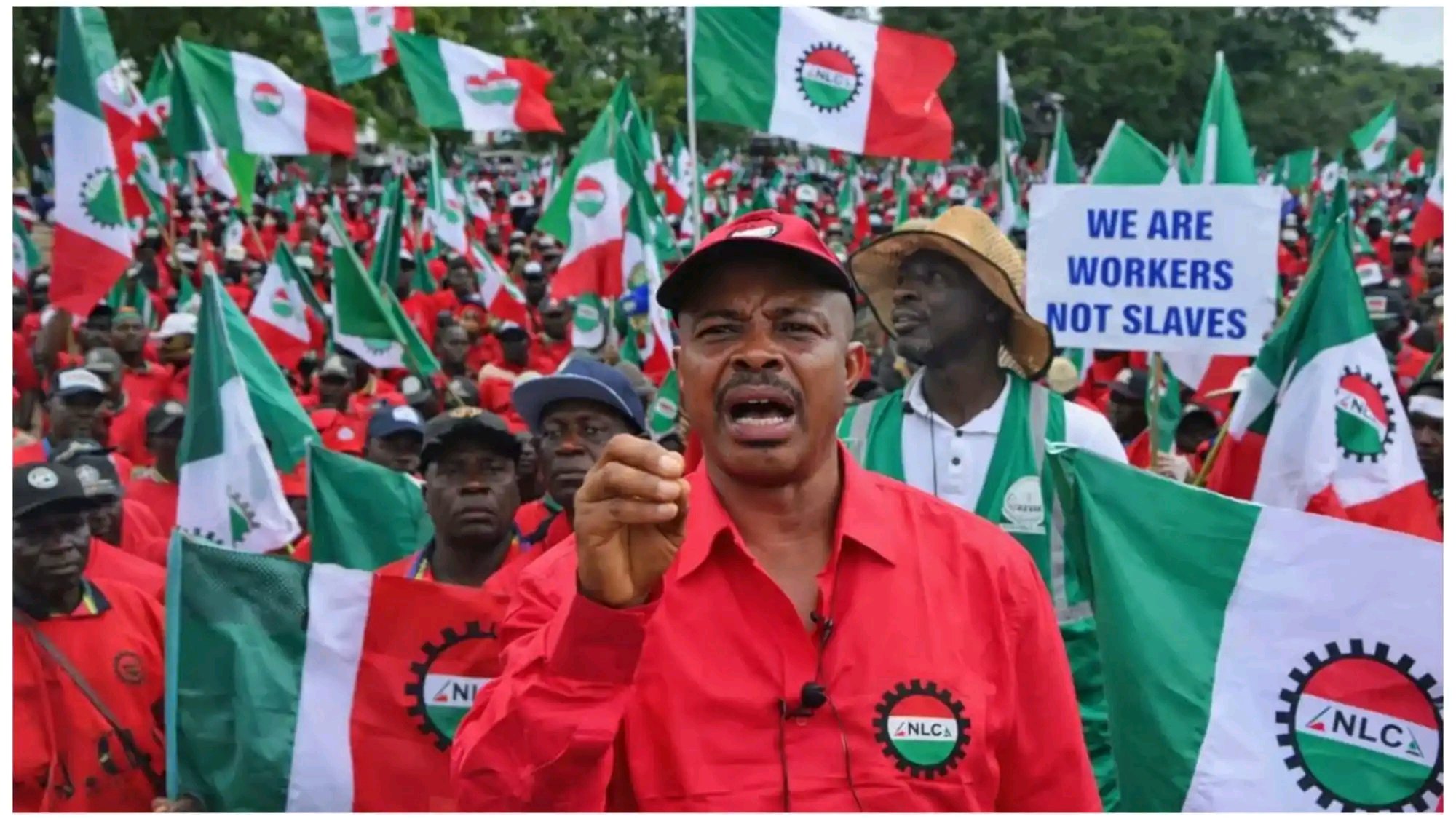
The Nigeria Labour Congress (NLC) has issued a fresh two-week ultimatum to the Federal Government, demanding urgent measures to reduce the price of petrol and commence the renegotiation of the national minimum wage.
The ultimatum takes effect from Friday, October 9, 2026, following a joint meeting of the NLC National Executive Council (NEC) and Central Working Committee (CWC) held at Labour House, Abuja.
In a communiqué signed by NLC President, Comrade Joe Ajaero, the labour centre said the worsening economic situation had continued to erode the purchasing power of Nigerian workers and deepen hardship across the country.
The NLC expressed concern over rising inflation, the depreciation of the naira and escalating living costs, saying workers could no longer comfortably meet basic needs such as food, housing, healthcare, transportation and education.
On the national minimum wage, the union demanded that the Federal Government commence renegotiation before the end of October 2026, insisting that the objective should be to establish a living wage that reflects prevailing economic realities.
The NLC also renewed its demand for a reduction in the pump price of Premium Motor Spirit (PMS), commonly known as petrol.
According to the union, the high cost of petrol has triggered a chain reaction of rising transportation fares, food prices and other essential commodities.
It therefore urged the Federal Government to reduce the petrol price to the level that prevailed when the current national minimum wage was signed into law in 2024.
The labour centre further demanded the implementation of previously agreed tax relief measures for workers and the immediate payment of outstanding wage awards as part of measures to cushion the effects of the economic crisis.
Beyond wages and petrol prices, the NLC called for the implementation of the February 5, 2026, agreement reached with the Joint Health Sector Unions and Assembly of Healthcare Professionals (JOHESU), as well as the demands of the Joint Public Sector Negotiating Council (JPSNC).
The union warned that failure by the Federal Government to address the outstanding demands within the two-week period would leave it with no option but to take further action.
The NLC also directed its affiliates and progressive allies to remain on high alert and prepare for what it described as decisive action against policies considered detrimental to workers and Nigerians.
FCT Teachers' Strike Adds Pressure
The latest ultimatum comes amid an ongoing industrial dispute between the NLC FCT Council and the Federal Capital Territory Administration.
The FCT Council commenced an indefinite strike on Wednesday, October 7, 2026, following the expiration of a seven-day ultimatum over unresolved issues surrounding teachers' promotion and career progression.
The dispute centres on the use of available vacancies as a condition for teachers to progress to higher positions.
The labour movement argues that teachers employed by the FCT Universal Basic Education Board and FCT Secondary Education Board should not be subjected to a vacancy-based promotion system designed for core civil servants.
The NLC FCT Council is also demanding that teachers who were eligible for the 2025 promotion examination but could not participate should be allowed to sit for the examination alongside, or before, candidates for the 2026 exercise.
It has further demanded the reversal of redeployment and demotion letters issued to education directors covered by the Harmonised Retirement Age for Teachers in Nigeria Act, 2022.
With the national ultimatum now in force, the Federal Government faces mounting pressure from organised labour to deliver immediate relief to workers or risk another nationwide confrontation with the labour movement.
Share this story
Get updates on WhatsApp
Subscribe to receive selected updates from Media Gate News Online. We only use your number for this publication, and you can unsubscribe later.