
Opinion
The Role of Community Engagement in Strengthening Democratic Participation in Osun State
As Osun State prepares for its next electoral cycle, community engagement remains a vital tool for fostering informed and active citizen participation. This article explores how local organizations and grassroots initiatives can help build a more inclusive democratic process.
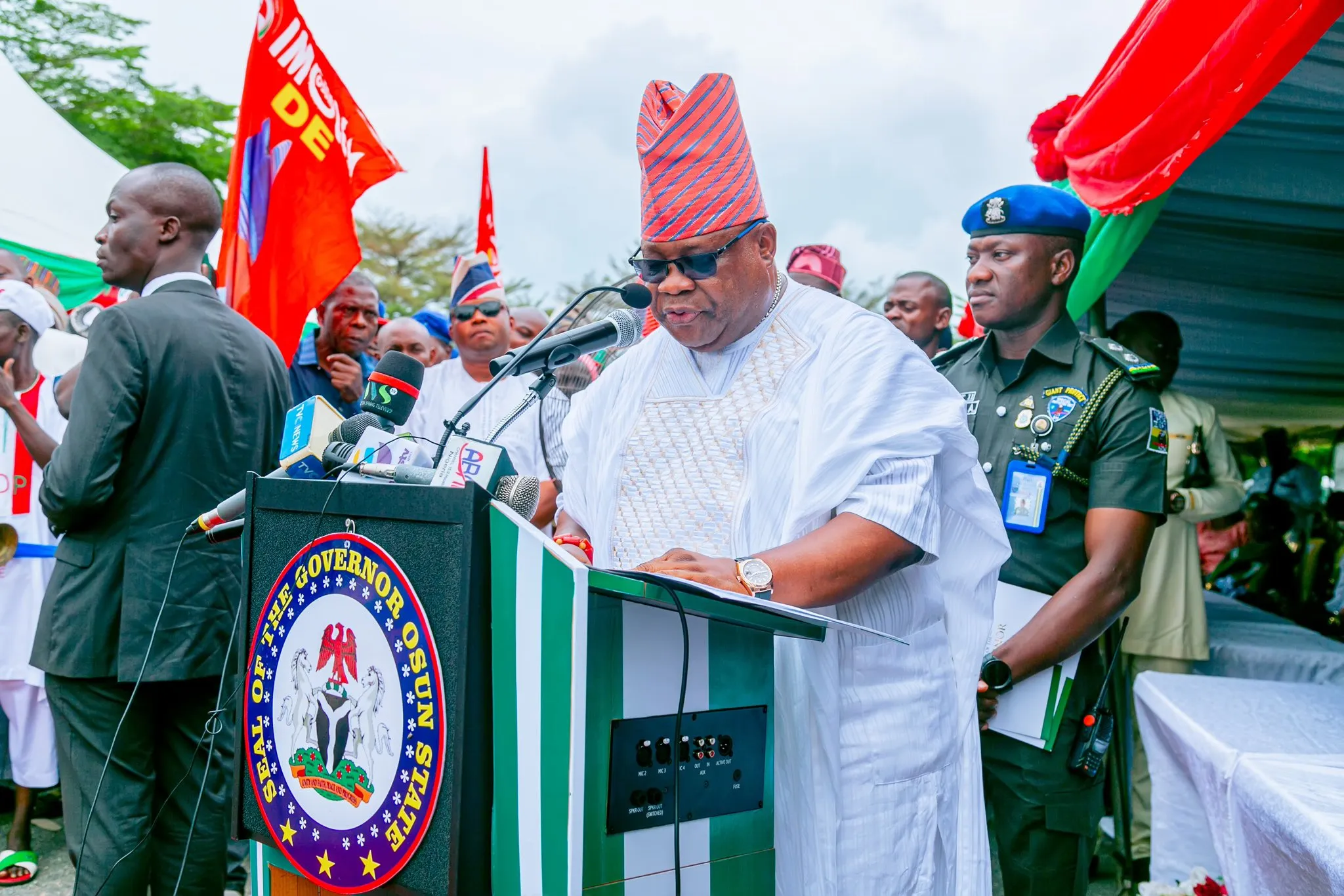
As Osun State moves toward another electoral season, the importance of community engagement in shaping democratic participation cannot be overstated. In a democracy, the strength of the electoral process depends not only on the integrity of the institutions but also on the active involvement of citizens at the grassroots level. In Osun State, community-based organizations, religious groups, and youth associations have historically played a significant role in mobilizing voters and disseminating information.
Community engagement goes beyond merely encouraging people to vote. It involves creating spaces for dialogue, educating citizens on their rights and responsibilities, and ensuring that marginalized voices are heard. In Osun, where the population is a mix of urban and rural dwellers, community engagement helps bridge the gap between the electorate and the political class.
One of the key challenges to effective community engagement is the spread of misinformation. In the digital age, rumors and fake news can easily influence public perception. Therefore, community leaders and local media have a responsibility to promote factual information and encourage critical thinking. Town hall meetings, community radio programs, and intergenerational dialogues are some of the ways to foster a well-informed electorate.
Another important aspect is the inclusion of youth and women. Young people constitute a significant portion of Osun's population, yet their participation in formal politics has often been limited. By engaging youth through skill-building workshops and civic education, they can be empowered to become active citizens. Similarly, women's groups can play a pivotal role in advocating for issues that affect families and communities.
Religious institutions also serve as powerful platforms for civic engagement. In Osun, where faith plays a central role in daily life, religious leaders can encourage their congregations to participate in the electoral process peacefully and responsibly. Interfaith initiatives can promote unity and reduce the potential for conflict during elections.
As the 2026 elections approach, it is essential for all stakeholders—government, civil society, and citizens—to work together to strengthen democratic participation. Community engagement is not a one-time event but a continuous process that builds trust and accountability. By investing in grassroots initiatives, Osun State can ensure that its democracy is not only vibrant but also reflective of the will of its people.
In conclusion, the path to a stronger democracy in Osun lies in the hands of its communities. Through sustained engagement, education, and dialogue, the state can set an example for others in Nigeria and beyond. The upcoming election is an opportunity to reaffirm the values of participation, transparency, and unity.
Internal note: Evergreen opinion piece; ensure all factual claims are verified before publication. No specific individuals or events are referenced.
Share this story
Get updates on WhatsApp
Subscribe to receive selected updates from Media Gate News Online. We only use your number for this publication, and you can unsubscribe later.