
News
Unmasking the Syndicate: How Security Collusion and Local Elites Power Nigeria’s Illegal Oil Trade
-By Zik Gbemre
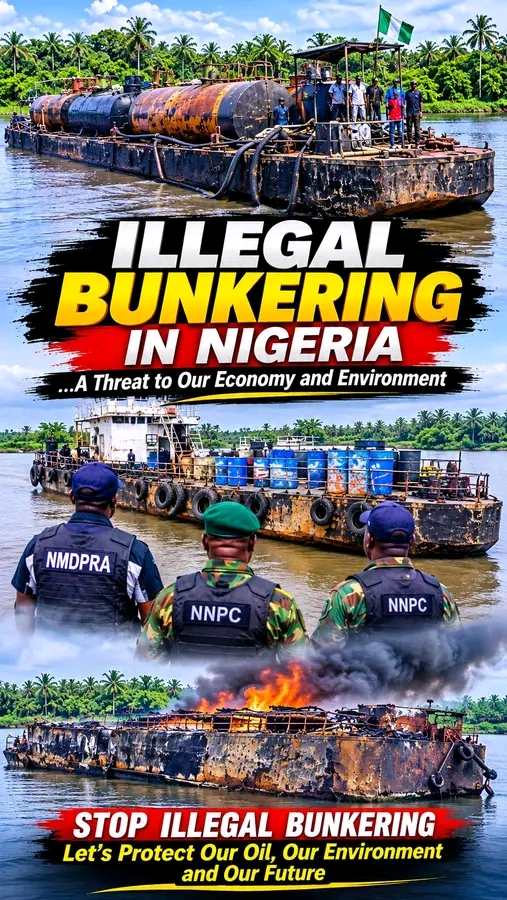
For years, public discourse surrounding crude oil theft in Nigeria's South-South region focused primarily on local youths, pipeline vandals, and small-scale artisanal refiners. However, public disclosures by Chief Government Ekpemupolo, popularly known as Tompolo-owner of Tantita Security Services Nigeria Limited have exposed the true architecture behind this multi-billion-dollar illicit enterprise.
Speaking during national television interviews, including on Channels TV, Tompolo revealed an uncomfortable truth: commercial-scale crude oil bunkering cannot take place without the direct involvement, protection, and operational guidance of top military and security personnel stationed across the Niger Delta, working in tandem with complicit community leaders.
Key Pillars of the Illicit Network
1. Military Involvement and Technical Support Stealing crude oil on a commercial scale requires heavy equipment, specialised machinery, direct access to high-pressure trunklines, and maritime clearance for large vessels and barges. Local operators do not possess this capability independently. Compromised military personnel who are officially deployed to guard oil installations provide the necessary cover, tactical access, and in some instances, technical instruction on how to tap into pipelines without tripping pressure alarms.
2. High-Demand Security Postings Assignments to military and police commands across oil-producing states like Delta, Rivers, and Bayelsa have become some of the most lucrative postings within Nigeria's security apparatus. Senior and middle-ranking officers frequently lobby to be deployed to these regions.Personnel often arrive on standard military pay and leave with substantial personal wealth, driven by protection fees, systematic kickbacks, and direct participation in oil-siphoning networks.
3. Community Leadership and Local Cover While military personnel provide operational immunity on the waterways and land, local community leaders grant local legitimacy. Certain community elites serve as intermediaries between the oil-theft syndicates, security commanders, and the local workforce. Because parts of the informal local economy end up tied to bunkering proceeds, an enforced culture of silence prevents residents from reporting illicit activities.
National Impact
* Depletion of Federal Revenue: Nigeria consistently falls short of its OPEC production targets. This deprives the federal government of essential foreign exchange and vital revenues needed to fund public infrastructure, healthcare, education, and national debt servicing.
* Widespread Environmental Destruction: Unregulated pipeline breaches and crude artisanal refining methods cause massive oil spills across the rivers, creeks, and farmlands of host communities. This destroys marine life, degrades agricultural soil, contaminates drinking water, and sparks long-term public health crises.
* Erosion of Institutional Integrity: The monetization of military deployments undermines operational discipline within the armed forces. It erodes public confidence in security agencies officially tasked with safeguarding critical national infrastructure.
Illegal crude oil bunkering in the South-South is not a survival crime committed by desperate local youths. It is an organized criminal enterprise sustained by senior security personnel, local elites, and institutional corruption. Until accountability is enforced at the highest levels of military and political authority, the systemic destruction of Nigeria's primary economic engine will remain ongoing.
Zik Gbemre
November 9,2026
We Mobilize Others To Fight For Individual Causes As If Those Were Our Causes
Share this story
Get updates on WhatsApp
Subscribe to receive selected updates from Media Gate News Online. We only use your number for this publication, and you can unsubscribe later.