
Business
MB Refinery: Building a Strategic Energy Hub in the Heart of Delta
By Emmanuel Eseoghene Okoro
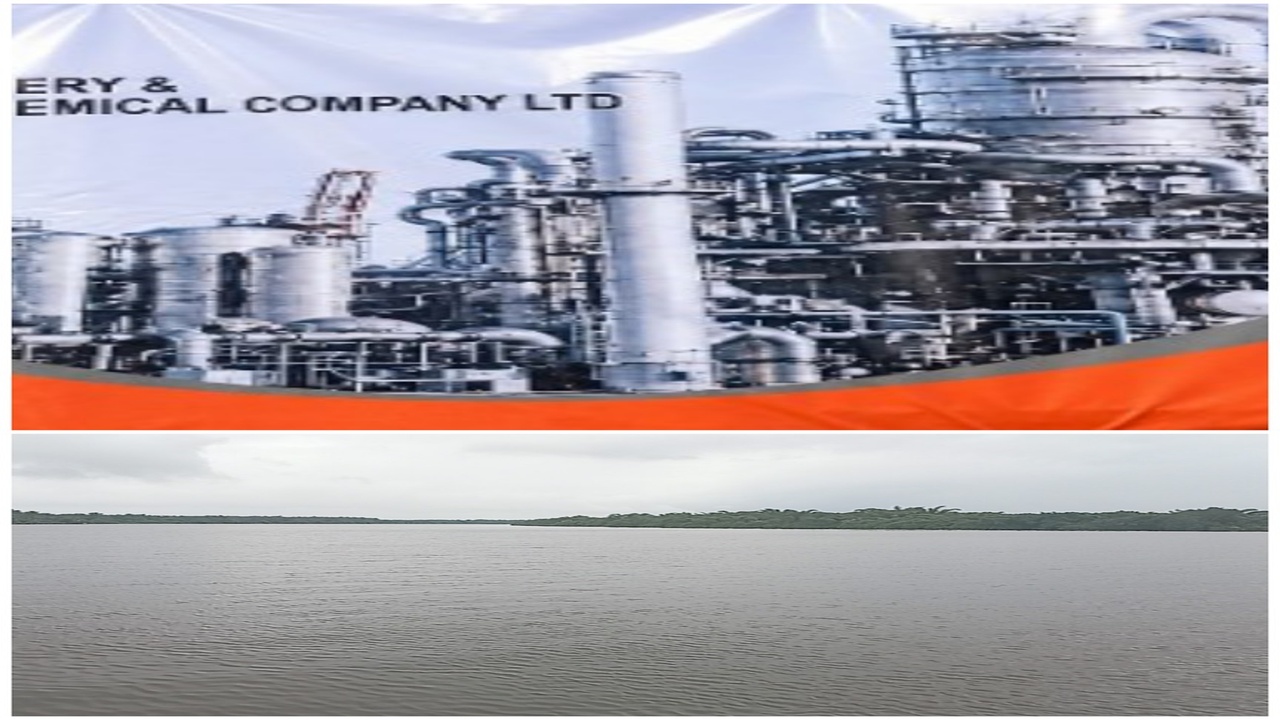
At Ajagbodudu in Warri North Local Government Area of Delta State, the development of the MB Refinery and Petrochemical Company Limited is steadily taking shape along the River Ethiope, the deepest river in West Africa, with the potential to transform the area into an important industrial and energy centre.
The project, being developed under the leadership of the Chairman and Chief Executive Officer of MB Refinery, Mr. Akuyom Orighomisan Bobson, is designed as an integrated petroleum facility combining crude oil refining, product storage and maritime logistics.
The refinery is planned to reach a full production capacity of 30,000 barrels of crude oil per day, with the company targeting completion of the project within 18 months. Upon completion and commencement of operations, the facility is projected to employ more than 200 direct staff.
Orighomisan disclosed that the refinery would be developed in three phases, beginning with an initial capacity of 5,000 barrels per day. He said the first phase would produce Naphtha, Automotive Gas Oil (AGO/Diesel), Fuel Oil and Jet Fuel.
According to him, the second phase would increase the refinery's capacity to 15,000 barrels per day, further expanding its ability to process crude oil and supply refined petroleum products to the domestic market.
He explained that the third phase would raise production to the refinery's ultimate capacity of 30,000 barrels per day and introduce processes for converting Naphtha into Premium Motor Spirit (PMS), commonly known as petrol.
The phased approach is expected to allow the company to progressively expand its processing capabilities while developing the supporting infrastructure required for a fully integrated petroleum operation.
A major component of the project is its storage infrastructure, which includes plans for 30 high-capacity tanks for crude oil and refined petroleum products. The storage facilities are expected to provide flexibility in managing supplies and distribution.
The refinery's location along the River Ethiope is also expected to give the project an important logistical advantage. With planned jetty and terminal infrastructure, petroleum products could potentially be transported by water to other destinations, reducing dependence on road transportation.
The maritime component could become particularly significant as transportation costs, road congestion and supply-chain efficiency remain important considerations in Nigeria's downstream petroleum industry.
Beyond refining, the project is therefore being positioned as an integrated energy and logistics hub, linking crude processing with storage, transportation and distribution.
Orighomisan also disclosed that the refinery would utilise Liquefied Petroleum Gas (LPG) for power generation, a strategy he said would help reduce operating costs and improve the overall economic efficiency of the facility.
The project is coming at a time Nigeria is seeking to expand domestic refining capacity and reduce its historical dependence on imported refined petroleum products. A fully operational 30,000-barrel-per-day refinery could therefore contribute to the country's broader energy-security objectives.
However, the significance of the project will ultimately depend not only on its installed capacity but also on its ability to operate reliably, maintain product quality, comply with safety regulations and remain commercially sustainable.
Construction of a refinery of this scale requires substantial engineering expertise, with foundations, reinforced concrete, steel structures, equipment installation, pipelines and processing units requiring strict adherence to technical and safety standards.
The 18-month completion target will therefore be an important test of the company's project-management capacity, financing, engineering coordination and ability to maintain construction quality while meeting its schedule.
The expected employment impact is another major attraction of the development. More than 200 direct jobs are projected upon completion, covering areas such as engineering, operations, technical services, administration and maintenance.
The economic impact could extend beyond direct employment, with opportunities expected in marine transportation, logistics, equipment maintenance, fabrication, security, catering, supply services and other businesses that could emerge around the refinery.
The River Ethiope location also places an important environmental responsibility on the project. Effective management of industrial waste, emissions, water systems and potential spills will be critical to protecting the river and surrounding communities.
If successfully completed, commissioned and sustainably operated, MB Refinery could become more than a 30,000-barrel-per-day petroleum processing facility. Its combination of refining, storage, LPG-powered operations and maritime logistics could position it as an important energy hub in Delta State, while contributing to Nigeria's broader effort to refine crude locally, create jobs and retain more value within the domestic economy.
Share this story
Get updates on WhatsApp
Subscribe to receive selected updates from Media Gate News Online. We only use your number for this publication, and you can unsubscribe later.